The 24-Hour Purchase Pause: A Simple Way to Stop Regret Spending
A practical system for delaying non-essential purchases, spotting impulse triggers, and keeping more money for things you actually value.
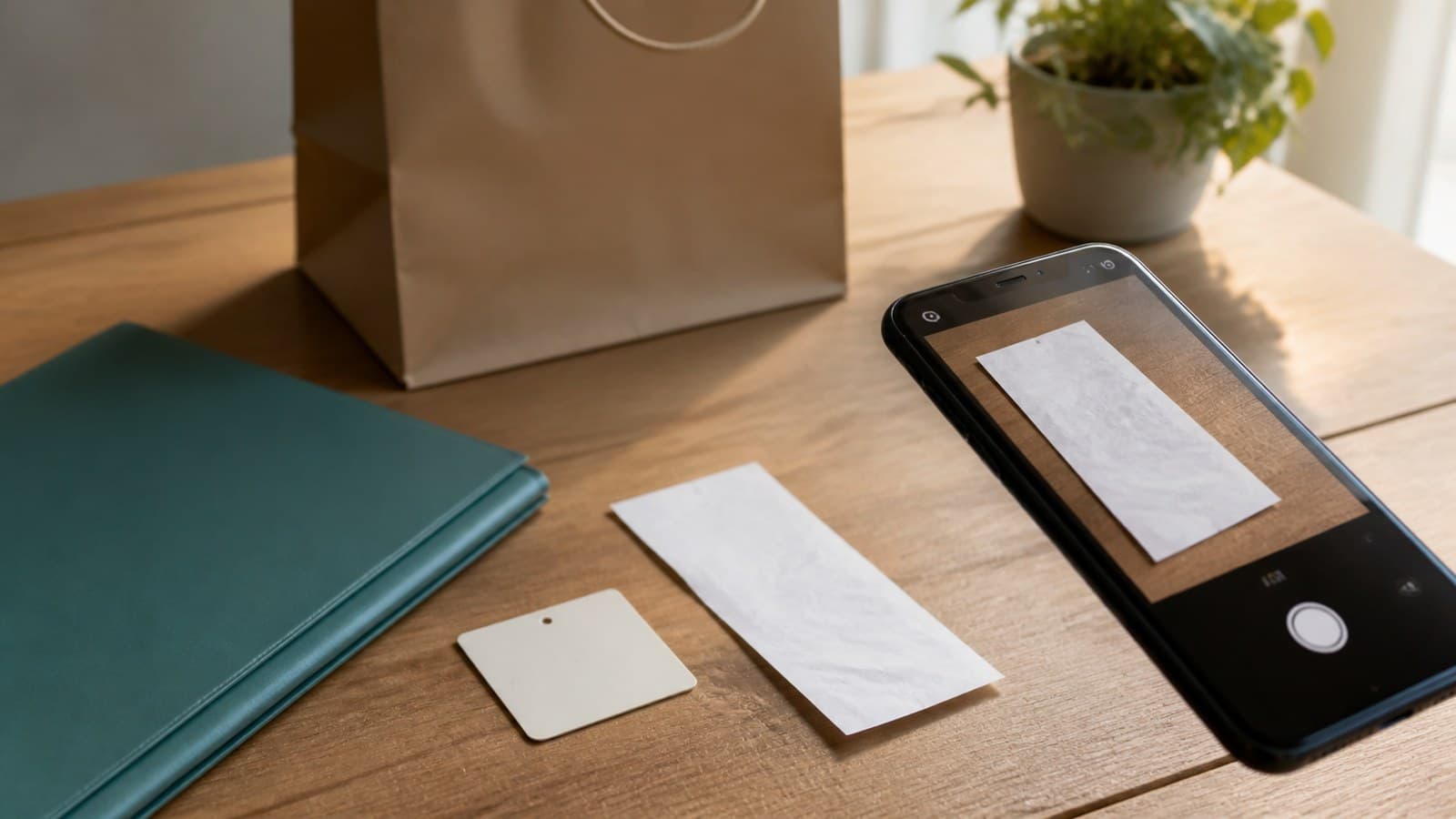
What would change if every non-essential purchase had to survive one night in your notes app?
That is the whole idea behind the 24-hour purchase pause. It is not a strict budget, a spending ban, or a complicated finance challenge. It is a small delay between wanting something and buying it.
That delay matters because many regretted purchases happen in a fast emotional window. You see a deal, feel tired, want a tiny reward, and tap buy before your calmer brain gets a vote. The purchase may be small: a kitchen gadget, another streaming upgrade, a sale hoodie, a phone accessory, a delivery order after a long Tuesday. But when the same pattern repeats, it quietly drains money that could have gone toward something more useful.
The 24-hour purchase pause gives you a simple rule: if it is not essential today, park it for tomorrow.

What Counts As A Pause Purchase?
A pause purchase is anything that can safely wait.
Groceries for dinner do not need a pause. A medication refill does not need a pause. Replacing a broken work charger might not need a pause if you need it tomorrow morning.
But plenty of purchases can wait 24 hours without causing a problem:
- Clothes you noticed during a sale
- Home decor
- Upgrades to apps or subscriptions
- Small electronics
- Takeout when food is already at home
- Skincare, hobby gear, and fitness accessories
- Anything sitting in an online cart because the discount timer is flashing
The pause is not about shaming yourself. It is about separating a real need from a short mood.
The Simple 3-Step Purchase Pause
Here is the basic system.
| Step | What To Do |
|---|---|
| 1. Capture it | Write the item, price, and reason in a note instead of buying immediately. |
| 2. Wait 24 hours | Leave it alone for one full day unless it is truly urgent. |
| 3. Decide clearly | Buy, delay longer, find a cheaper option, or skip it. |
You can use Apple Notes, Google Keep, Notion, a paper notebook, or a plain sticky note on your desk. The tool matters less than the pause.
A useful format is:
Item: wireless keyboard Price: $48 Why I want it: current keyboard feels cramped What happens if I wait: nothing urgent Decision tomorrow: buy, compare, or skip
That fourth line is powerful. “What happens if I wait?” often reveals that the purchase is not as urgent as it felt five minutes ago.

Use The “Need, Wait, Skip” Filter
After 24 hours, sort the item into one of three buckets.
Need means the purchase solves a real problem and fits your current money situation. If your shoes are worn out and you walk to work daily, replacing them is reasonable.
Wait means the item still seems useful, but the timing is not right. Maybe it belongs next payday, next month, or after you compare options.
Skip means the desire faded. This is the quiet win. No dramatic sacrifice. You simply gave the impulse enough time to cool down.
For example, imagine you almost buy a $39 insulated lunch container after watching three meal-prep videos. The next day, you remember there is already a perfectly fine container in the back of the cabinet. That is $39 kept without a fight.

Add A Price Line
The purchase pause works better when you add a number.
Try setting a personal pause limit. For example:
- Under $10: decide normally
- $10 to $50: pause for 24 hours
- Over $50: pause for 48 hours
- Over $150: compare at least three options first
Adjust the amounts for your income and responsibilities. The point is to make the rule clear before temptation shows up.
A clear line removes negotiation. When the cart total hits your pause number, the item goes into the list. No debate. No scrolling reviews at midnight. No “I deserve this” math.
Watch For Your Spending Triggers
The purchase pause also teaches you when you are easiest to sell to.
After a week or two, look at your pause list and notice patterns. Do certain items appear after work? Do takeout orders show up when you skipped lunch? Do home upgrades appear after scrolling social media? Do you shop more on Sundays because the week ahead feels heavy?
This is not about guilt. It is information.
If you notice that late-night shopping is your weak spot, move shopping apps off your home screen. If grocery extras happen when you shop hungry, keep a small snack in your bag. If online sales pull you in, unsubscribe from the two stores that tempt you the most.
One specific trick: create a phone note called “Buy Later - Friday Review.” The name matters because it tells your brain the item is not lost. It has a place. You can review it Friday at 6:30 p.m. with a calmer head.
Do Not Turn The Pause Into A Punishment
A spending pause should still allow joy.
If you decide tomorrow that the item is worth it and you can afford it, buy it without turning the moment into a courtroom drama. The system is there to prevent autopilot spending, not to make every purchase feel suspicious.
In fact, the pause can make good purchases feel better. You know you chose them twice: once when you wanted them, and again when the rush passed.
That second yes is more trustworthy.
Make It Easier To Follow
A good money habit should be slightly easier than the bad habit it replaces.
Try these small setup moves:
- Keep one “Buy Later” note pinned in your phone.
- Remove saved cards from shopping sites that trigger impulse buys.
- Add items to a wish list instead of a cart.
- Wait until morning before buying anything after 9 p.m.
- Use store pickup lists for groceries so fewer random items land in the basket.
The aim is friction. Not huge friction. Just enough to make you pause and ask, “Do I actually want this, or did the internet catch me tired?”

Review The List Once A Week
A purchase pause becomes more useful when you review it.
Pick one weekly time and scan the list. Delete anything you no longer want. Move useful items to a planned shopping list. Compare prices for anything expensive. If something has stayed on the list for three weeks and still feels important, it may be a real priority.
This review can take five minutes. You are not building a financial dashboard. You are giving your future self a cleaner way to spend.
A simple weekly review question is:
Would I rather have this item, or would I rather keep the money for something already important to me?
That question changes the purchase from isolated temptation into a tradeoff. Suddenly the hoodie is not just a hoodie. It is the hoodie versus your emergency fund, a trip, a debt payment, a better grocery week, or a calmer month.
The Real Benefit
The 24-hour purchase pause will not fix every money problem. It will not replace a budget, increase income, or solve major expenses.
But it can reduce the type of spending that feels harmless in the moment and annoying later. It gives your money a little breathing room. It also builds trust with yourself because you are not relying on willpower alone.
Start with one category this week. Online shopping. Takeout. App upgrades. Grocery extras. Pick the one that leaks the most money and give every non-essential purchase a 24-hour waiting period.
A cleaner spending life often begins with one quiet item left in the cart until tomorrow.
Found this useful?
Send it to someone who should read it.